

Can You Get Bail in Michigan on a Weekend or Holiday?
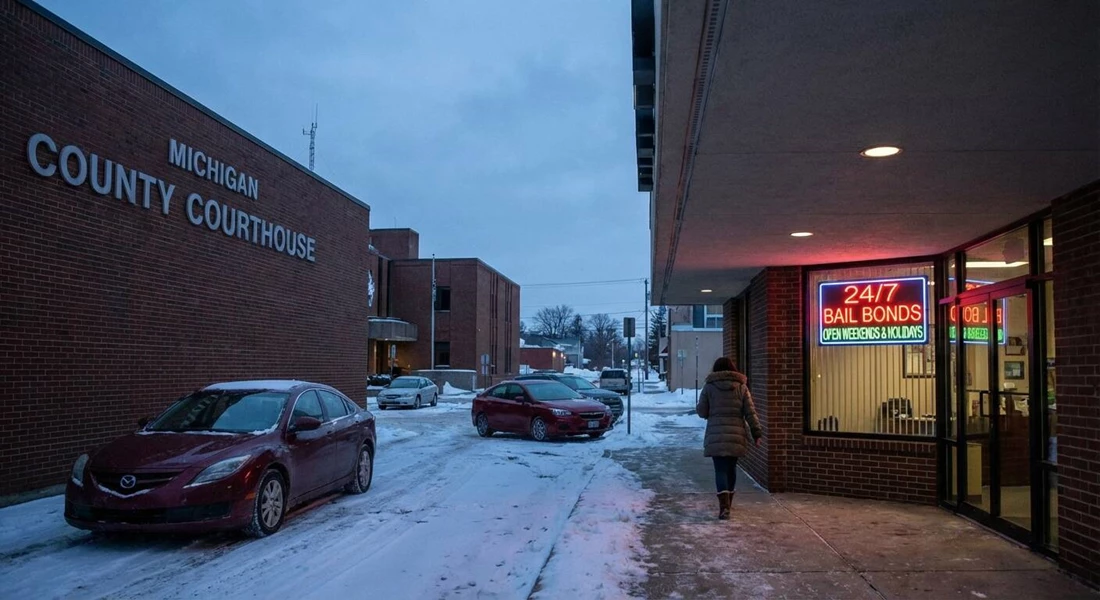
Getting arrested doesn't follow a schedule. Neither does the panic that follows. If someone you care about gets picked up on a Saturday night or during a holiday, the first question isn't about guilt or innocence—it's about getting them out. Michigan's bail system doesn't shut down completely when the courts close, but it doesn't run smoothly either. Timing matters. Location matters. And knowing what's actually possible can save hours of confusion and stress.
Bail isn't a punishment. It's a promise. You put up money, the person shows up for court, and everyone moves forward. But when the arrest happens outside business hours, that promise gets complicated. Some counties have systems in place to handle it. Others don't. And if you're sitting in a holding cell waiting for Monday morning, those distinctions start to feel pretty important.
How Bail Actually Works in Michigan
Michigan operates on a straightforward principle when it comes to bail. You're arrested, you're booked, and then a judge decides whether you can post bond and how much it'll cost. That decision usually happens at an arraignment—the first court appearance where charges are read and rights are explained. For most people, that's when the dollar amount gets attached to their release.
The system is designed to balance two things. One, making sure the accused doesn't disappear before trial. Two, not locking people up indefinitely just because they haven't been convicted yet. Bail can be paid in cash, through a bondsman, or sometimes with property. But none of that matters if you can't get in front of a judge. And that's where weekends and holidays throw a wrench into the gears.
When the Courts Are Closed
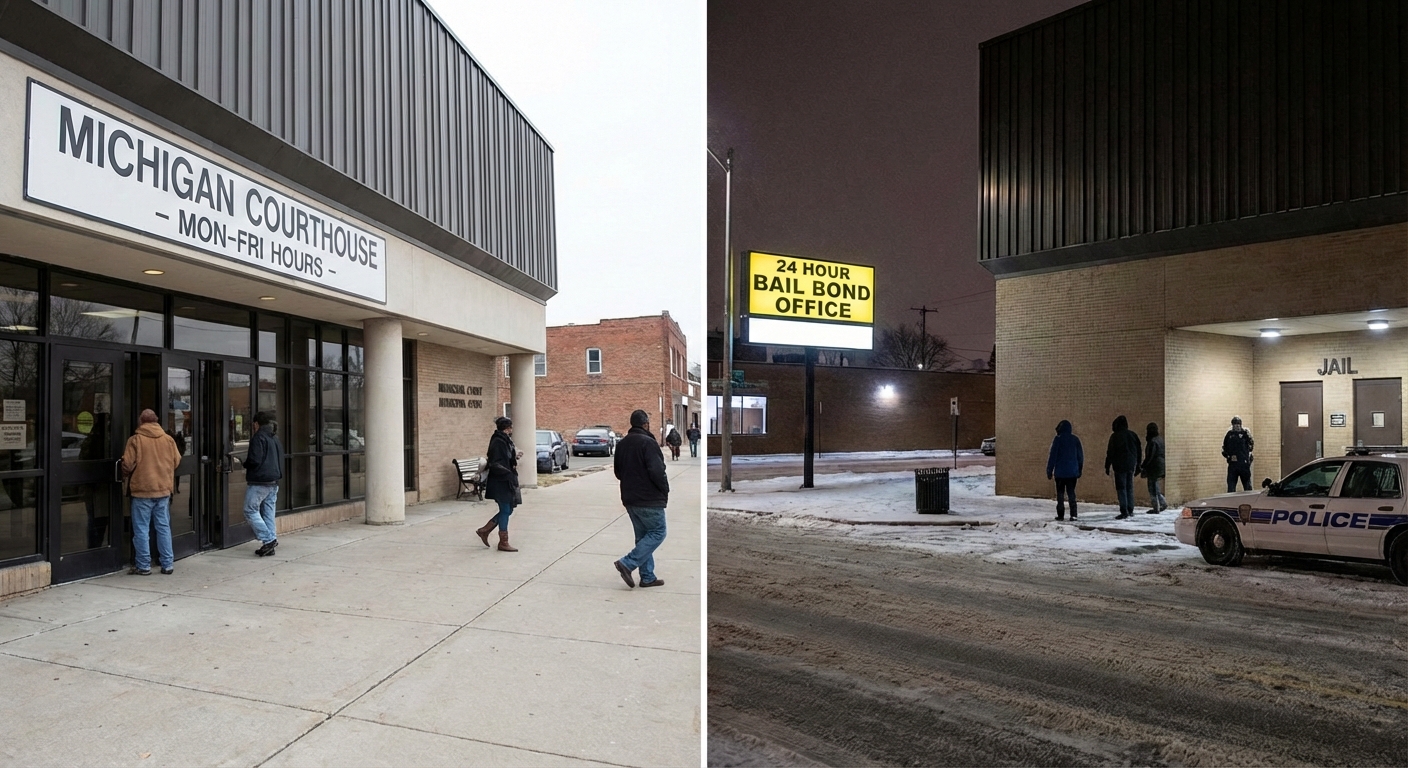
Most Michigan courts operate Monday through Friday during standard business hours. If you're arrested on a Thursday afternoon, you'll likely see a judge the next day. If you're arrested Friday night, you might be waiting until Monday. That's two full days in custody, not because of the charge, but because of the calendar.
Some counties have adapted. Larger jurisdictions with higher arrest volumes often schedule weekend or holiday arraignments to keep things moving. These sessions aren't universal, and they're not guaranteed, but they exist. If you're in Wayne County or Oakland County, there's a better chance of seeing a judge outside normal hours than if you're in a smaller, rural area. The infrastructure just isn't the same everywhere.
Bail Schedules and Immediate Release
Not every case requires a judge to set bail. Michigan allows local jails to use bail schedules for certain offenses—usually misdemeanors or lower-level charges. These schedules list preset bail amounts based on the charge. If the offense qualifies and the accused can pay the amount, they can be released directly from the jail without waiting for court.
This process works around the clock. Weekends, holidays, middle of the night—it doesn't matter. If the jail accepts the payment and the charge fits the schedule, release can happen fast. But there are limits. Serious felonies, repeat offenders, or cases involving violence typically don't qualify. Those situations require judicial review, and that means waiting for the next available session.
What Determines Whether You Wait
Several factors control how quickly someone can post bail after a weekend or holiday arrest. The charge itself is the biggest one. Minor offenses with bail schedules move faster. Serious charges require a judge. Prior criminal history also plays a role. Someone with a clean record has a better shot at quick release than someone with outstanding warrants or a history of skipping court.
Local policies matter too. Some jails are equipped to process bail payments at any hour. Others have limited staff or restricted hours for financial transactions. And some counties simply don't offer weekend arraignments at all. Geography isn't just a detail—it's a deciding factor in how long someone stays locked up.
- The severity of the charge and whether it qualifies for a preset bail schedule
- Whether the county offers weekend or holiday arraignment sessions
- The accused's criminal history and any outstanding warrants
- The jail's capacity to accept and process bail payments outside business hours
- Availability of judicial officers or magistrates for emergency hearings
Bondsmen Work When Courts Don't
Bail bond companies don't take weekends off. Most operate 24/7 because arrests don't stop, and families need help at all hours. A bondsman can post bail on behalf of the accused in exchange for a fee—usually a percentage of the total bail amount. That service is available any time, but it still depends on whether bail has been set.
If a judge hasn't determined the amount yet, the bondsman can't do anything. If a bail schedule applies and the jail will accept payment, the bondsman can move immediately. The key is knowing what's already in place. A good bondsman will know the local system, the jail's procedures, and whether waiting is necessary or avoidable.
Steps to Take After a Weekend or Holiday Arrest
The first move is always the same. Call the jail. Ask if bail has been set, whether a schedule applies, and when the next arraignment is scheduled. Don't assume anything. Policies vary by county, and even within the same county, procedures can differ depending on the charge or the arresting agency.
If bail hasn't been set and no schedule applies, find out when the next court session is. Then contact a local attorney or bondsman who knows the jurisdiction. They'll have a clearer picture of what's realistic and what's not. Waiting blindly wastes time. Asking the right questions speeds things up.
- Contact the jail to confirm whether bail has been set or if a schedule applies
- Ask when the next arraignment is scheduled if judicial review is required
- Reach out to a bail bondsman who operates in that county and knows the local procedures
- Consult with a criminal defense attorney to understand the charges and potential bail conditions
- Gather necessary funds or collateral in advance to avoid delays once bail is approved
Why Some Counties Handle It Better
Larger counties with more resources tend to have better systems for handling off-hours arrests. They see higher volumes, so they've built infrastructure to match. Weekend arraignments, on-call magistrates, and streamlined bail processing are more common in urban areas. Smaller counties often lack the budget or staffing to offer the same level of service.
That doesn't mean rural areas are ignoring the problem. It's a matter of scale. A county with a dozen arrests per week doesn't need the same setup as one with hundreds. But for the person sitting in a cell, the difference is everything. Knowing what your county offers—or doesn't—helps set realistic expectations.
What Happens If You Have to Wait
If bail can't be posted until the next business day, the accused stays in custody. That means spending the weekend or holiday in jail, even if the charge is minor. It's not ideal, but it's not uncommon. The system isn't designed to punish people before trial, but it also isn't built to accommodate every arrest instantly.
During that time, the accused should avoid making statements to law enforcement without an attorney present. Anything said can be used later, and stress makes it easy to say the wrong thing. Family members should focus on gathering information, contacting legal help, and preparing to post bail as soon as it's available.
- The accused remains in custody until the next available arraignment or bail hearing
- No statements should be made to law enforcement without legal representation
- Family members should use the time to contact an attorney and prepare bail funds
- Documentation of the arrest and charges should be requested as soon as possible
- Communication with the accused may be limited depending on jail policies
When Legal Help Makes the Difference
An attorney who knows Michigan's bail system can move things faster. They understand which judges are available, which counties have weekend sessions, and how to argue for lower bail amounts or release on personal recognizance. They also know when to push and when to wait.
Bail isn't just about money. It's about presenting the right case to the right person at the right time. A lawyer can make that happen more effectively than a family member calling the jail repeatedly. If the arrest happens on a weekend or holiday, having legal representation lined up early can mean the difference between a two-day wait and a same-day release.
- Attorneys familiar with local courts know which judges handle weekend arraignments
- They can argue for reduced bail or release on personal recognizance
- Legal representation ensures proper documentation and procedural compliance
- Lawyers can expedite communication with the court and jail staff
- They provide guidance on what to expect and how to prepare for the next steps
Documentation and Follow-Through
Once bail is posted, the responsibility doesn't end. The accused must appear at every scheduled court date. Missing one can result in forfeiture of the bail amount and a warrant for arrest. Keeping track of dates, staying in contact with legal counsel, and following all conditions of release are non-negotiable.
If a bondsman was used, there are additional obligations. The fee paid to the bondsman is non-refundable, and any collateral put up remains at risk until the case is resolved. Understanding those terms upfront prevents surprises later. Bail is a tool, not a solution. It buys time, but it doesn't erase the charges.
- All court dates must be attended to avoid forfeiture and additional charges
- Conditions of release, such as travel restrictions or check-ins, must be followed
- Bondsman fees are non-refundable regardless of case outcome
- Collateral remains at risk until the case is fully resolved
- Staying in contact with legal counsel ensures compliance and preparedness
Getting Out Isn't the End of the Story
Posting bail on a weekend or holiday is possible in Michigan, but it's not guaranteed. The charge, the county, and the timing all play a role. Some people walk out the same day. Others wait until Monday. The system has flexibility, but it also has gaps. Knowing what to expect and who to call makes the process less chaotic and more manageable. Bail is about buying time to build a defense, not about walking away from the problem. Use that time wisely.
Let’s Take the Next Step Together
When you’re facing the uncertainty of a weekend or holiday arrest, you don’t have to navigate Michigan’s bail system alone. We’re here to answer your questions, guide you through the process, and work quickly to secure your loved one’s release. Call us anytime at 586-757-5001—or if you’re ready to get started, schedule a consultation and let’s move forward together.
‹ Back
Recent Posts
-
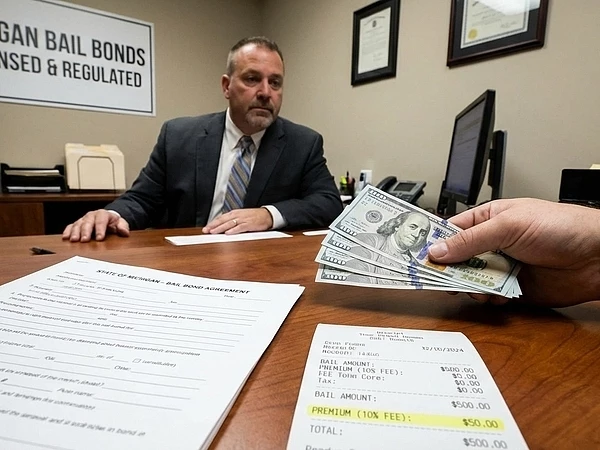
How Much Do You Pay on a $500 Bail Bond in Michigan?
April 22, 2026
-

How Payment Plans Work for Bail Bonds in Michigan
April 8, 2026
-
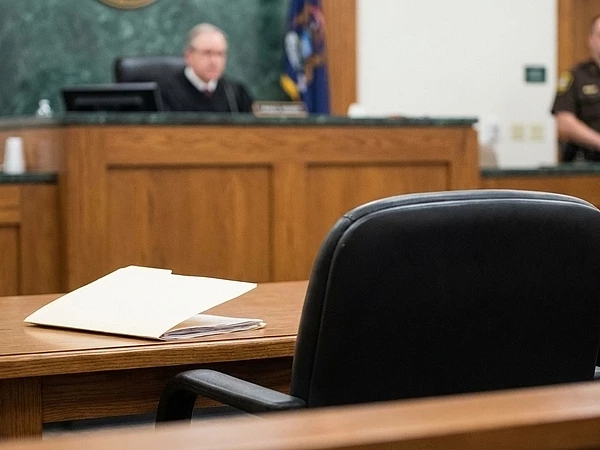
What Happens If a Defendant Skips Court in Michigan
March 25, 2026
-
Understanding Bail Refunds After a Michigan Case Ends
March 11, 2026
-

Can Bail Be Revoked in Michigan After It's Granted?
February 25, 2026
.png)