
What You Might Pay for a $1000 Bail Bond in Michigan
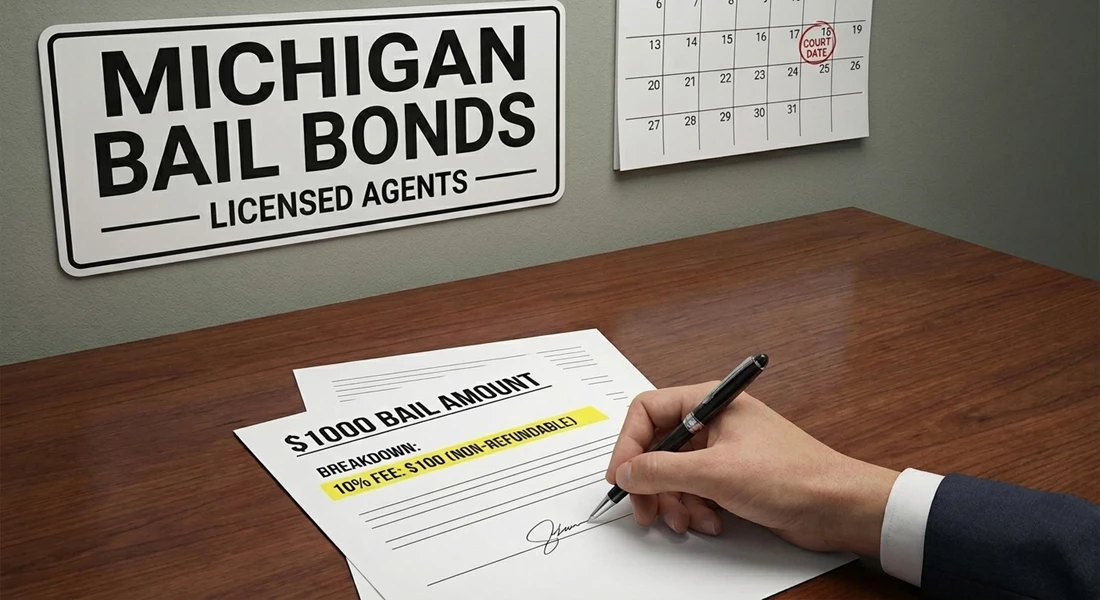
Most people think bail is just about getting someone out of jail. But the money side? That's where confusion sets in — and where mistakes get expensive. Michigan has rules about what bail bond agents can charge, and if you don't know them, you're walking in blind. A $1000 bail doesn't mean you hand over a thousand dollars. It means you're paying a fraction of that to someone who's willing to front the rest. But that fraction isn't negotiable, and it's not coming back.
So here's what matters. If you're posting bond for someone, you need to know exactly what you're signing up for. Every dollar counts. Every fee should be spelled out. And every agreement you make with a bondsman should be grounded in what the law allows — not just what sounds fair in the moment.
The Standard Fee Isn't Up for Debate
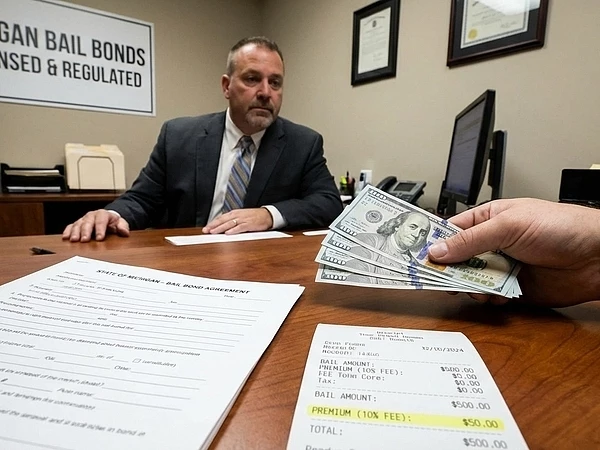
Michigan law sets the bail bond fee at 10% of the total bail amount. That's not a starting point for negotiation. It's the number. For a $1000 bail, you're paying $100 to the bond agent. That fee is non-refundable, even if the defendant shows up to every court date and the case gets dismissed.
The bond agent takes on the risk that the defendant won't appear. If they skip, the agent is on the hook for the full amount. That $100 is their compensation for that risk. It's not a deposit. It's not a down payment. It's the cost of the service, and it's gone the moment you sign the paperwork.
What Else Might Hit Your Wallet
The 10% fee is standard, but it's not always the only cost. Some bond companies tack on administrative charges, processing fees, or travel expenses if they have to drive out to a distant jail. Others require collateral — property, a car, jewelry — especially if the defendant has a sketchy track record or the bail amount is higher than usual.
If the defendant doesn't show up, the bond company will come after whoever signed the agreement. That's when collateral gets seized or lawsuits get filed. So before you put your name on anything, ask for a full breakdown. Know what you're risking beyond the upfront fee.
Variables That Change the Game
Not every $1000 bail bond looks the same. A few factors can shift what you pay or what you're required to put up:
- Defendant's history: Multiple failures to appear? Expect the bond agent to ask for more collateral or a co-signer.
- Severity of charges: Violent crimes or felonies may trigger stricter requirements, even if the bail amount is low.
- County policies: Some jurisdictions have additional administrative fees or processing delays that affect timing and cost.
- Payment plans: A few bond companies offer installment options for the 10% fee, but interest or service charges usually apply.
- Collateral type: Real estate holds more weight than a used car, and some agents won't accept certain assets at all.
How the Process Actually Works
Once you decide to use a bail bond agent, the steps are straightforward — but they move fast. You'll contact a licensed bondsman, provide details about the defendant and the charges, and pay the 10% fee. Then you'll sign a contract that spells out your obligations, including any collateral you're putting up.
The agent posts the bond with the court, and the defendant gets released. From there, it's on the defendant to show up for every court appearance. Miss one, and the bond gets revoked. The agent will track them down, and you'll be liable for the full bail amount if they can't be found. Understanding how the Michigan bail bond process works can help you navigate these steps more confidently.
Red Flags to Watch For
- Unlicensed agents: Michigan requires bail bond agents to be licensed. If they can't show proof, walk away.
- Vague fee structures: If they won't give you a clear breakdown of costs, that's a problem.
- Pressure tactics: Legitimate agents don't rush you into signing. If they're pushing hard, something's off.
- No physical office: A reputable bond company has a real location, not just a cell phone number.
- Unclear collateral terms: You should know exactly what happens to your property if the defendant skips.
What Happens If Court Dates Get Missed
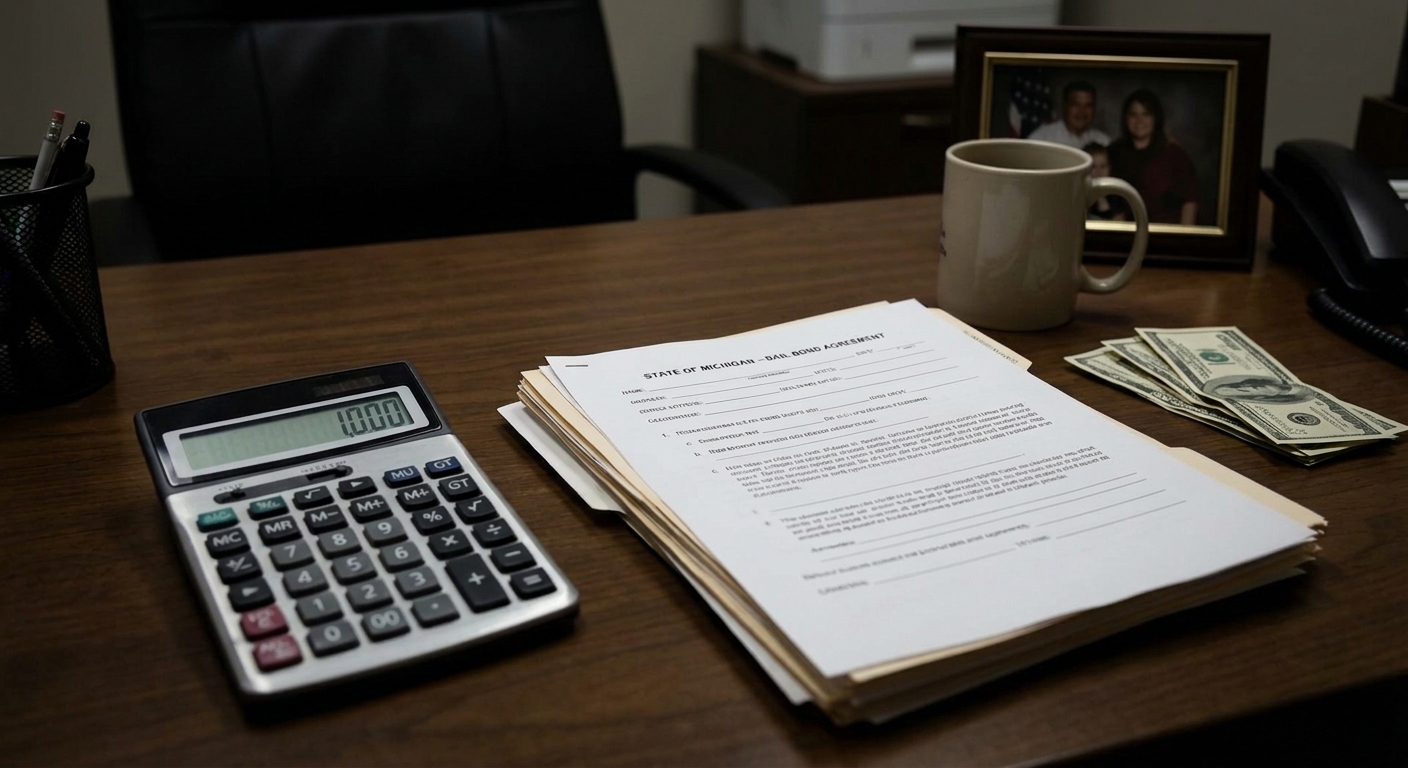
Skip a court appearance, and the bond gets forfeited. The court keeps the money, and the bond agent comes after whoever signed the agreement. If you put up collateral, it gets liquidated. If you didn't, you'll face a lawsuit for the full bail amount.
Some bond companies hire bounty hunters to track down defendants who flee. That's legal in Michigan, and it's expensive. Those costs can get passed on to you if the defendant doesn't turn themselves in quickly. The best way to avoid this mess? Make sure the defendant understands what's at stake and shows up on time. Knowing common bail conditions and rules in Michigan can help prevent violations.
When You Should Ask More Questions
If the bail amount is higher than $1000, or if the defendant has a complicated criminal history, you're in territory where DIY gets risky. A bail bond agent can walk you through the options, but you should also consider consulting a lawyer to understand your liability.
Here's what a professional can help with:
- Clarifying what collateral is required and what happens if it's seized
- Reviewing the bond agreement before you sign
- Explaining your legal obligations if the defendant skips
- Identifying whether a payment plan makes sense or just adds cost
- Ensuring the bond company is licensed and operating legally
Documentation Keeps You Covered
Once you post bond, keep every piece of paperwork. The contract, the receipt for the 10% fee, any collateral agreements — all of it matters. If there's a dispute later, you'll need proof of what you paid and what you agreed to.
Track court dates yourself. Don't rely on the defendant to remember. Set reminders, confirm appearances, and stay in contact with the bond agent. If something goes wrong, you want to know immediately — not after the bond's been forfeited and the agent is already looking for the defendant. Learning about different ways to pay bail in Michigan can also help you plan financially.
The Real Cost Isn't Just the Fee
Posting a $1000 bail bond in Michigan means paying $100 upfront — but the real cost is the risk you're taking on. If the defendant doesn't show, you're liable for the full amount. If collateral gets seized, you lose more than cash. And if the bond company has to chase the defendant down, those costs can pile up fast.
The 10% fee is just the entry point. What happens after that depends on whether the defendant honors their court dates and whether you've done your homework on the bond company. There's no room for assumptions when your money — or your property — is on the line. Know the rules, read the fine print, and make sure you're working with someone who's licensed, transparent, and accountable. Understanding the difference between cash and surety bonds in Michigan can help you make informed decisions, and knowing who is allowed to post bail in Michigan ensures you're following proper procedures.
Let’s Take the Stress Out of Bail Together
We know how overwhelming it can feel when you’re facing the bail process in Michigan. That’s why we’re here to answer your questions, explain every fee, and help you make the right choices for your situation. If you’re ready to talk with a team that puts your peace of mind first, call us at 586-757-5001 or schedule a consultation and let’s get you the support you need.
‹ Back
Recent Posts
-
-
How Much Do You Pay on a $500 Bail Bond in Michigan?
April 22, 2026
-

How Payment Plans Work for Bail Bonds in Michigan
April 8, 2026
-
What Happens If a Defendant Skips Court in Michigan
March 25, 2026
-
Understanding Bail Refunds After a Michigan Case Ends
March 11, 2026
.png)