

How Payment Plans Work for Bail Bonds in Michigan

Most people think bail bonds are just about getting someone out of jail. Money changes hands, paperwork gets signed, and that's it. But the financial side runs deeper than that — and if you're not prepared, you're setting yourself up for stress. Surety bail bonds may solve the immediate problem, but they come with obligations that don't disappear once the cell door opens. Especially if you're working with a payment plan or putting up collateral.
Here's what matters. If you're securing someone's release through a bond, that's a commitment. Just don't treat that agreement like a formality. Every payment should be on time. Every term needs to be understood. And every decision should be grounded in what you can actually afford — not just what sounds manageable in the moment.
Most of the time, families don't have thousands sitting around when someone gets arrested. The court sets a bail amount based on the charges, criminal history, and flight risk. That number can be steep. You either pay it in full to the court, or you work with a licensed bail bond agent who fronts the money for a fee.
That fee is typically 10% of the total bail. So if bail is $10,000, you're looking at $1,000 to the bondsman. That money doesn't come back, even if the case gets dismissed or the defendant shows up to every hearing. It's the cost of the service, not a deposit. And for a lot of families, even that 10% is out of reach without some kind of arrangement.
Why Agencies Offer Payment Plans
Bail bond companies know that not everyone can drop a grand on short notice. That's why many of them offer payment plans. It's not charity — it's business. They want to help you get your loved one out, but they also want to make sure they get paid. A payment plan spreads the cost over weeks or months, making it easier to manage without draining your account in one shot.
But don't mistake flexibility for leniency. These plans come with terms, and if you fall behind, the consequences can be serious. The bond can be revoked. The defendant can be sent back to jail. And you're still on the hook for the money.
The Steps to Setting Up a Plan
Getting approved for a payment plan isn't automatic. The bail bond agency will want to know you're good for it. That means paperwork, questions, and sometimes a credit check. Here's how it usually goes:
- You contact the agency and explain the situation — who's in jail, what the charges are, what the bail amount is.
- They assess the risk and your ability to pay. This might include checking your employment, income, and credit history.
- If approved, you'll need to put down an initial payment. This could be a few hundred dollars or more, depending on the total fee and the agency's policies.
- You sign a contract that lays out the payment schedule — how much, how often, and what happens if you miss a payment.
- Once the down payment is made and the agreement is signed, the agent posts bail and the defendant is released.
What You're Actually Agreeing To
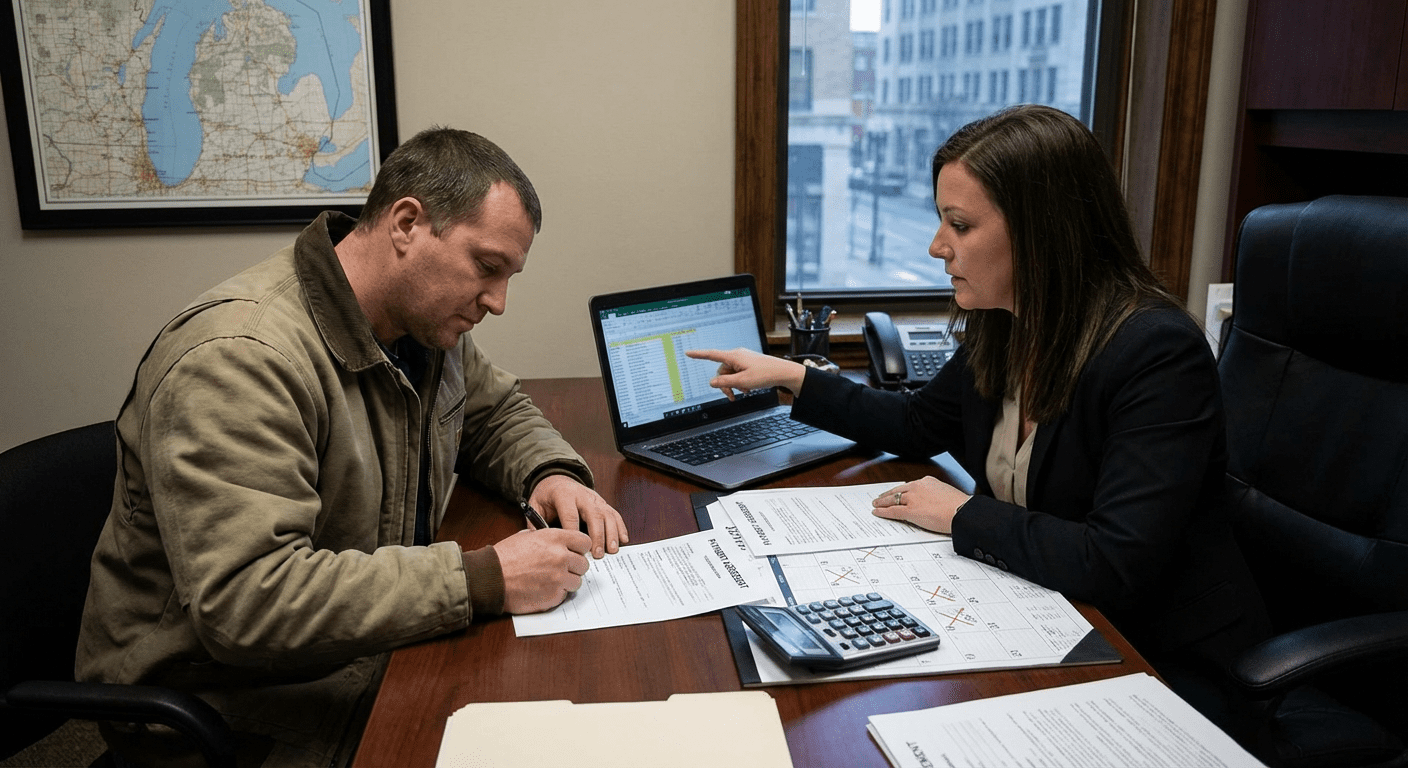
The payment plan isn't just a handshake deal. It's a legal contract. You're promising to pay the full fee over time, and the agency is trusting you to follow through. Most plans are structured as weekly, bi-weekly, or monthly payments. The schedule depends on what you negotiate and what the agency allows.
Some agencies charge interest or administrative fees on top of the bond fee. Others don't. That's why it's critical to read the fine print before you sign. Ask about penalties for late payments. Ask if there's a grace period. Ask what happens if you can't make a payment on time. The answers matter, and they should be in writing.
Missing Payments Can Cost More Than Money
If you fall behind on payments, the bail bond agency has options — and none of them are good for you. They can contact you repeatedly. They can pursue legal action to recover the debt. And in some cases, they can revoke the bond entirely, which means the defendant goes back to jail until the case is resolved.
That's not a scare tactic. It's how the system works. The agency is liable for the full bail amount if the defendant doesn't show up to court. If they think you're not holding up your end of the deal, they'll protect themselves. And that protection often comes at your expense.
What Happens If the Defendant Skips Court
This is where things get ugly. If the defendant misses a court date, the bond is forfeited. The agency is on the hook for the full bail amount, and they will come after you — the co-signer — to recover it. That could mean seizing collateral, filing a lawsuit, or hiring a bounty hunter to bring the defendant back.
You're not just responsible for the 10% fee anymore. You're responsible for the entire bail amount. And if you put up your house, car, or other assets as collateral, those are now at risk. This is why co-signing on a bail bond is a serious decision. You're not just helping someone out. You're taking on financial and legal liability.
What to Look for in a Bail Bond Agency
Not all agencies are created equal. Some are transparent and professional. Others are predatory. Before you sign anything, do your homework. Here's what to check:
- Is the agency licensed in Michigan? You can verify this through the state's Department of Insurance and Financial Services.
- Are the fees clearly explained? There should be no hidden charges or surprise costs.
- What are the payment plan terms? Get everything in writing — payment amounts, due dates, interest rates, penalties.
- What happens if you can't make a payment? A good agency will work with you. A bad one will threaten you immediately.
- Do they have reviews or references? Check online reviews and ask for referrals if possible.
Collateral and Co-Signers
Many bail bond agencies require collateral or a co-signer, especially for higher bail amounts or riskier cases. Collateral can be anything of value — a house, car, jewelry, or other assets. If the defendant skips bail or you default on payments, the agency can seize that collateral to cover their losses.
A co-signer is someone who agrees to be financially responsible if you can't pay. This is usually a family member or close friend. But co-signing isn't a favor. It's a legal obligation. If you miss payments or the defendant doesn't show up, the co-signer is on the hook. That can strain relationships and create long-term financial problems.
Keeping the Process Clean
If you're going to use a payment plan, treat it like any other financial obligation. Set reminders for due dates. Keep copies of all receipts and correspondence. If something changes — you lose your job, you have an emergency expense — contact the agency immediately. Most will work with you if you're upfront. But if you ghost them, they'll assume the worst and act accordingly.
Documentation is your friend. Keep a record of every payment, every conversation, and every piece of paperwork. If there's ever a dispute, you'll need proof. And if the case drags on or complications arise, having a clear paper trail will save you headaches down the line.
Why Communication Matters
The worst thing you can do is ignore the bail bond agency. If you're struggling to make a payment, call them. Explain the situation. Ask if they can adjust the schedule or give you an extension. Most agencies would rather work with you than chase you down or revoke the bond.
But that only works if you're proactive. Waiting until you're weeks behind and then asking for help? That's a harder sell. The earlier you communicate, the more options you have. And the more likely the agency is to see you as someone trying to do the right thing, not someone trying to dodge responsibility.
What Happens After the Case Ends
Once the case is resolved — whether through a trial, plea deal, or dismissal — the bail bond is discharged. But that doesn't mean your payment plan is over. You still owe the full fee to the agency, and you're still obligated to finish paying it off according to the terms you agreed to.
If the defendant showed up to every court date and you made every payment on time, the process ends cleanly. The agency keeps the fee, you're done with the obligation, and everyone moves on. But if there were complications — missed payments, missed court dates, collateral issues — those need to be resolved before you're truly in the clear.
Securing Release Without Losing Control
Bail bonds and payment plans can be lifelines when someone you care about is behind bars. But they're not free passes. Every agreement comes with strings, and every missed payment has consequences. Understanding how the Michigan bail bond process works and learning about different ways to pay bail in Michigan can help you make informed decisions. The key is understanding what you're signing up for, staying on top of your obligations, and communicating when things get tough. Families should also be aware of what Michigan families should know about surety bonds before entering into any agreement. Do that, and you'll navigate the process without losing your shirt — or your peace of mind.
Let’s Take the Next Step Together
We know how overwhelming it can feel when a loved one is counting on you to secure their release. That’s why we’re here to walk you through every detail, answer your questions, and help you find a payment plan that fits your situation. If you’re ready to get started or just need some honest advice, give us a call at 586-757-5001. When you’re ready to move forward, schedule a consultation and let’s work through this together.
‹ Back
Recent Posts
-
-
-
How Much Do You Pay on a $500 Bail Bond in Michigan?
April 22, 2026
-

How Payment Plans Work for Bail Bonds in Michigan
April 8, 2026
-
What Happens If a Defendant Skips Court in Michigan
March 25, 2026
.png)