

Domestic Violence Bond Amounts in Michigan and What to Expect
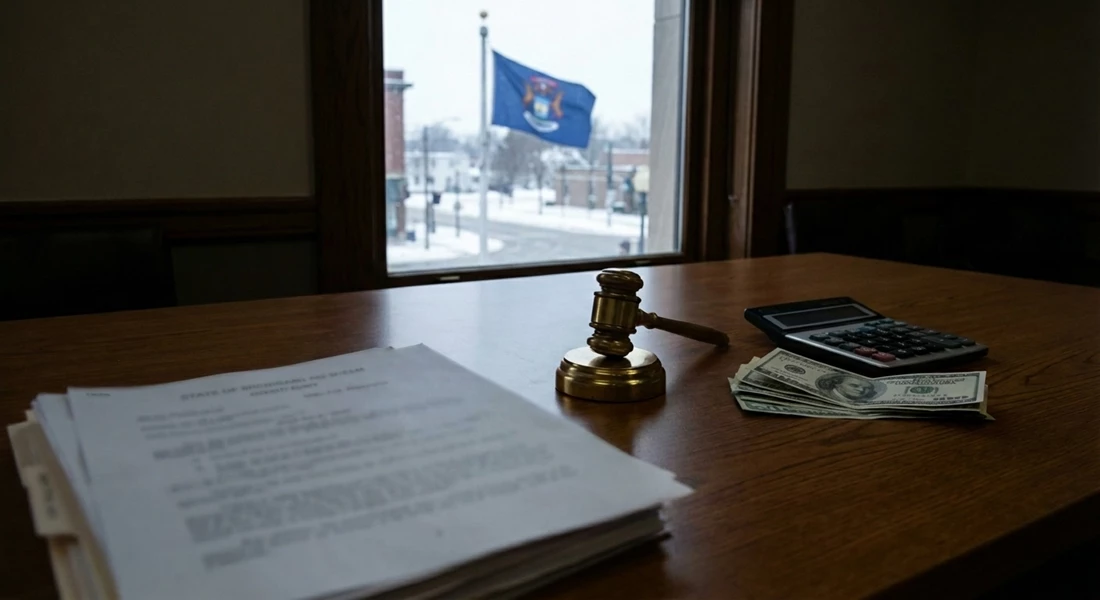
Getting arrested for domestic violence in Michigan isn't just about the charge itself. It's about what happens next — the bond hearing, the conditions, the restrictions that follow you home. Most people think bond is just a number. It's not. It's a decision made by a judge who's weighing risk, history, and whether you'll show up when you're supposed to. And if you don't understand how that decision gets made, you're already behind.
Bond amounts aren't pulled from thin air. They're tied to the severity of the accusation, your record, and how much danger the court thinks you pose. Some walk out on a signature. Others sit in jail because the number's too high or the conditions are too strict. Either way, the clock starts ticking the moment you're booked.
Michigan Treats These Cases Differently Than You Think
Domestic violence in Michigan covers more ground than most people realize. It's not just spouses. It includes anyone you've dated, anyone you share a child with, or anyone you've lived with in a domestic setting. The charge can land as a misdemeanor or escalate to a felony depending on injury, weapon use, or prior convictions. And the court doesn't need much to justify holding you longer or setting bond higher.
The definition matters because it shapes how the prosecutor frames the case and how the judge views your risk level. If there's a pattern, even from years ago, expect that to show up in the bond hearing. Courts don't forget, and neither does the system tracking your history. Understanding Michigan bail laws can help you prepare for what's ahead.
Bond Is a Guarantee You'll Show Up
Bond isn't punishment. It's leverage. The court wants assurance you'll appear for every hearing, every motion, every trial date. If you're seen as a flight risk or a threat, that number climbs fast. If you've got ties to the community, a clean record, and no history of skipping court, you might get out on a personal recognizance bond — no cash required, just your word.
But most cases don't go that route. Most involve cash or a bondsman, and the amount depends on factors the judge weighs in real time during your arraignment. That hearing usually happens within 24 to 48 hours of arrest, and it's your first shot at freedom or your first taste of how serious the court thinks this is. Knowing how the Michigan bail bond process works can make a significant difference in your outcome.
What the Numbers Actually Look Like
Bond amounts in Michigan domestic violence cases vary widely, but there are patterns. For a first-time misdemeanor with no aggravating factors, you're looking at somewhere between $500 and $5,000. If there's a weapon involved, prior convictions, or serious injury, that range jumps. Felony cases can hit $10,000 or more, and aggravated circumstances push it even higher.
Here's the breakdown most courts follow:
- First-time misdemeanor charges typically range from $500 to $5,000
- Second offenses often land between $2,500 and $10,000
- Felony domestic violence can start at $10,000 and climb past $50,000
- Aggravated cases with weapons or severe injury may hit $5,000 to $25,000
- Personal recognizance bonds are possible but rare, usually reserved for low-risk defendants with strong community ties
These aren't guarantees. Every judge has discretion, and every case has variables. But if you're trying to plan for what's coming, these ranges give you a starting point. Learning how much money you need for bail helps you prepare financially.
What Pushes the Number Higher
Judges don't just pick a number and move on. They're evaluating risk, and that evaluation is based on specifics. The more serious the alleged conduct, the higher the bond. The more unstable your history, the less likely you are to get out cheap.
Here's what moves the needle:
- Severity of the alleged assault and any injuries reported
- Whether a weapon was present or used during the incident
- Your criminal record, especially prior domestic violence charges
- Any active restraining orders or protection orders
- Flight risk based on employment, residence, and family ties
- Statements from the alleged victim or law enforcement
If the prosecutor argues you're dangerous or likely to reoffend, the judge listens. If your attorney can show stability and compliance, that helps. But the burden is on you to prove you're not a risk, not the other way around. Knowing what happens at a bail hearing can help you understand the process better.
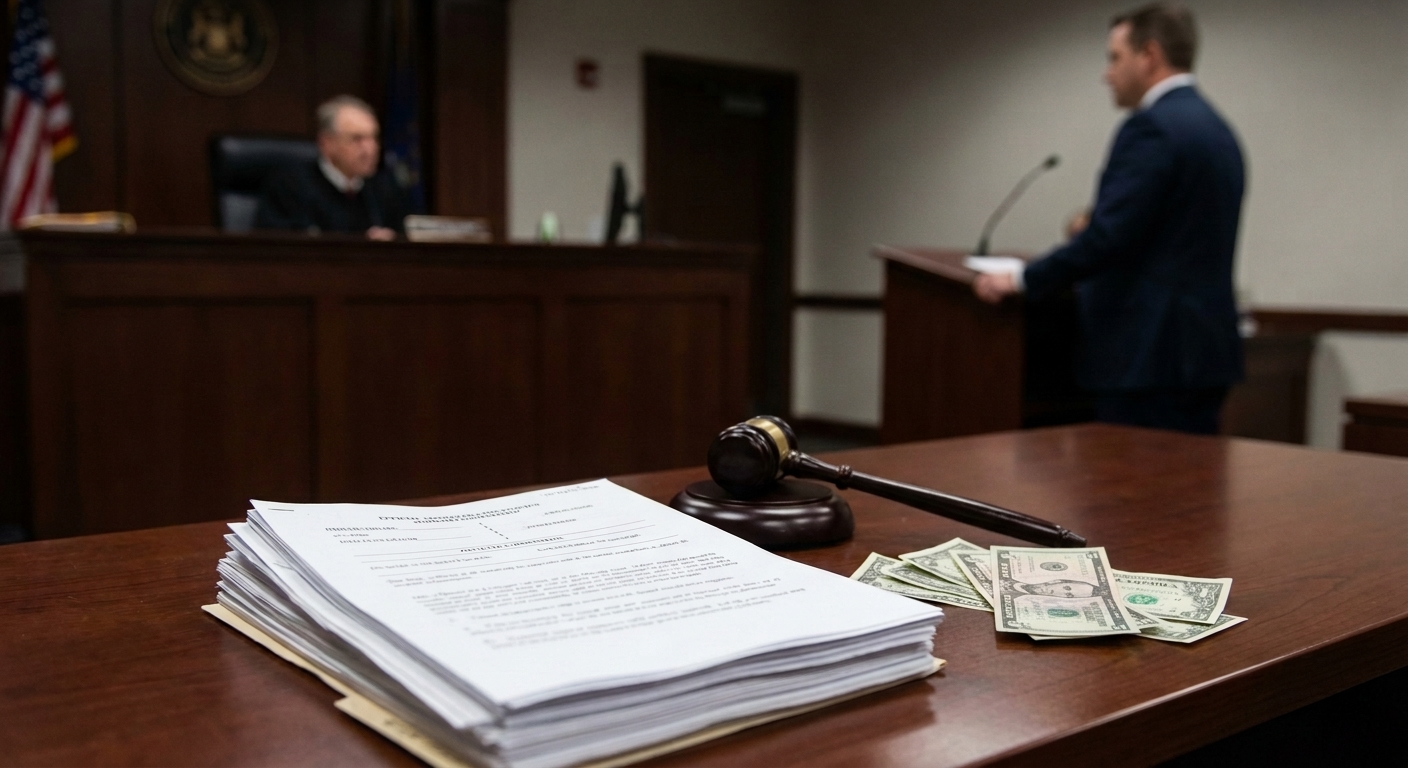
What Happens After You're Arrested
Once you're booked, you're held until the bond hearing. That hearing determines whether you walk or stay. If bond is set and you can pay it — either in cash or through a bondsman — you're released with conditions. If you can't pay, you sit in jail until trial or until someone posts it for you.
Most judges also issue a no-contact order at the same hearing. That means no calls, no texts, no showing up at the alleged victim's home or workplace. Violating that order is a separate charge, and it'll get your bond revoked immediately. The court doesn't play around with contact violations. Understanding common bail conditions and rules is critical to staying compliant.
The Conditions You'll Be Living Under
Getting out on bond doesn't mean you're free. It means you're free with strings attached. Those strings are conditions, and breaking them sends you right back to jail.
Expect to follow rules like these:
- Zero contact with the alleged victim in any form
- Stay away from their home, job, school, or any place they frequent
- No firearms or weapons of any kind
- Possible enrollment in anger management or counseling programs
- Regular check-ins with pretrial services or a monitoring officer
These aren't suggestions. They're court orders. Miss a check-in, send a text, or get caught near the victim's address, and the bond is gone. So is your freedom.
Why You Need a Lawyer Before the Hearing
Showing up to a bond hearing without representation is a gamble most people lose. A defense attorney knows how to argue for a lower bond, how to challenge the prosecutor's characterization of the case, and how to present you as a low-risk defendant. They also know which judges are reasonable and which ones aren't.
An attorney can also negotiate conditions. Maybe the no-contact order can be modified if you share kids or a home. Maybe the bond amount can be reduced if you agree to GPS monitoring. Without someone advocating for you, the court's default position is caution — and caution means higher bonds and stricter conditions. Knowing different ways to pay bail can also provide you with more options.
Don't Wait Until It's Too Late
Domestic violence charges in Michigan move fast. The bond hearing happens within two days. The no-contact order goes into effect immediately. And every decision made in those first 48 hours shapes the rest of your case. If you're sitting in jail because the bond's too high or you violated a condition you didn't understand, you're already losing ground.
Get legal help early. Understand what the bond process looks like. Know what the court expects and what happens if you fall short. The system doesn't give second chances when it comes to bond violations, and it doesn't care if you didn't know the rules. Your job is to know them before the hearing, not after.
Let’s Take the Next Step Together
Facing a domestic violence bond hearing in Michigan can feel overwhelming, but you don’t have to navigate it alone. We’re here to answer your questions, explain your options, and help you move forward with confidence. If you’re ready to talk, call us at 586-757-5001 or schedule a consultation and let’s work together to protect your future.
‹ Back
Recent Posts
-
-
-
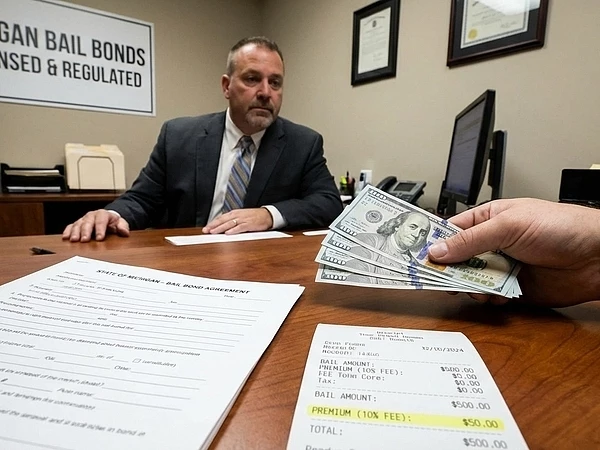
How Much Do You Pay on a $500 Bail Bond in Michigan?
April 22, 2026
-

How Payment Plans Work for Bail Bonds in Michigan
April 8, 2026
-
What Happens If a Defendant Skips Court in Michigan
March 25, 2026
.png)