

When a Co-Signer Is Needed for Bail in Michigan
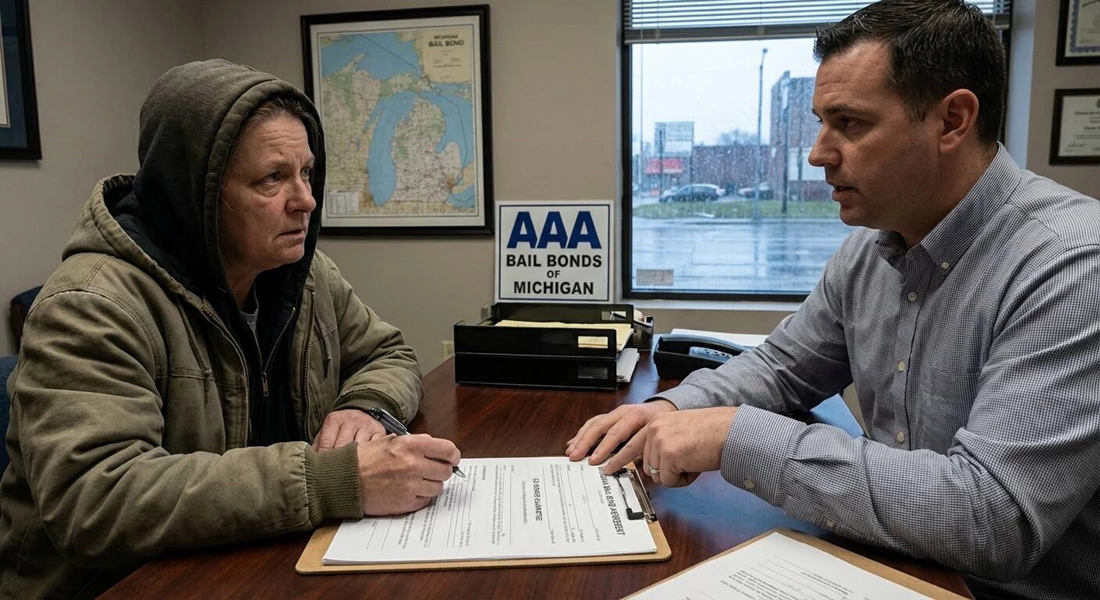
Most people think bail is just about posting money and walking out. But the courts see more than that — and if you don't, you're setting yourself up for a mess. Bail bonds may get someone out of jail, but they leave a trail of liability that doesn't disappear until the case closes. Especially if the defendant skips court or violates release terms.
So here's the reality. If you're stepping up to co-sign, that's admirable. Just don't treat that signature like a favor with no strings attached. Every bond comes with risk. Every co-signer needs to understand what they're backing. And every decision should be grounded in whether the defendant will show up — not just whether you want to help.
Bail Bonds Don't Work Without Someone on the Hook
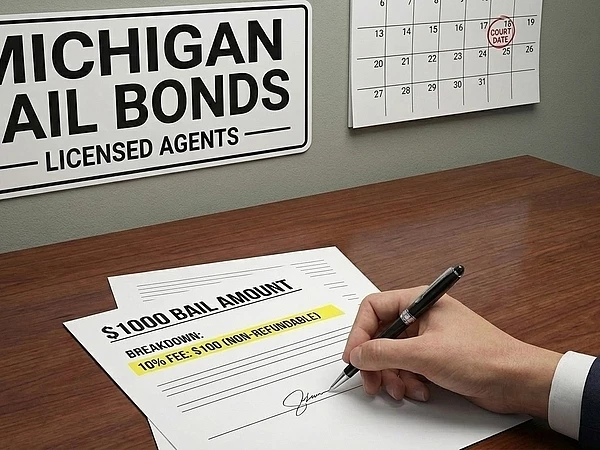
When someone gets arrested in Michigan, a judge sets bail as a condition for release. That bail is supposed to guarantee the defendant shows up for court. If the family can't cover the full amount, they turn to a bail bond agency. The agency fronts the money — usually for a 10% non-refundable fee — and posts the bond.
But agencies don't take that risk blindly. They need someone to guarantee the defendant's compliance. That's where the co-signer comes in. You're not just vouching for someone's character. You're legally promising they'll meet every court date and follow every condition. Miss one, and the liability shifts to you.
When the Bond Company Demands a Co-Signer
In Michigan, co-signers are almost always required when a bail bond is involved. The bond company needs assurance that someone will be accountable if things go sideways. It's not personal — it's risk management.
Here's when a co-signer becomes non-negotiable:
- The bail amount is steep, and the agency won't take the exposure without backup
- The defendant has no collateral to offer — no property, no assets, nothing tangible
- The defendant has a history of missing court dates or is considered a flight risk
- The defendant has weak community ties or no stable employment
- Even first-time offenders may need a co-signer if the agency senses uncertainty
What You're Actually Signing Up For
Co-signing a bail bond isn't a symbolic gesture. It's a binding legal agreement. You're responsible for making sure the defendant appears in court and complies with every release condition. If they don't, you're on the hook for the full bail amount — not just the 10% fee.
And it doesn't stop there. If the defendant runs, you may also be liable for the costs the bond company racks up tracking them down. That includes bounty hunter fees, travel expenses, and legal costs. Your collateral — if you provided any — can be seized. Your credit can take a hit. And the bond company won't hesitate to pursue collection if you don't pay up.
Questions You Need to Answer Before You Sign
Before you agree to co-sign, you need to be brutally honest with yourself. This isn't about loyalty or love. It's about risk and responsibility.
Here's what you should be asking:
- Do you trust this person to show up for every court date, no matter what?
- Can you afford to pay the full bail amount if they disappear?
- Are you willing to put your home, car, or savings on the line as collateral?
- Do you fully understand the terms of the bail bond agreement, including all fees and penalties?
- Are you prepared to deal with the bond company if the defendant violates any conditions?
Where Co-Signers Get Burned
We've seen it happen more times than we can count. Someone co-signs out of guilt or pressure, and then the defendant misses a court date. Suddenly, the co-signer is scrambling to cover thousands of dollars they don't have. Or worse, they lose the collateral they put up — a house, a car, a retirement account.
The bond company doesn't care about your relationship with the defendant. They care about getting their money back. And they have legal tools to make that happen. If you're not prepared for that reality, don't sign. It's that simple.
When to Walk Away
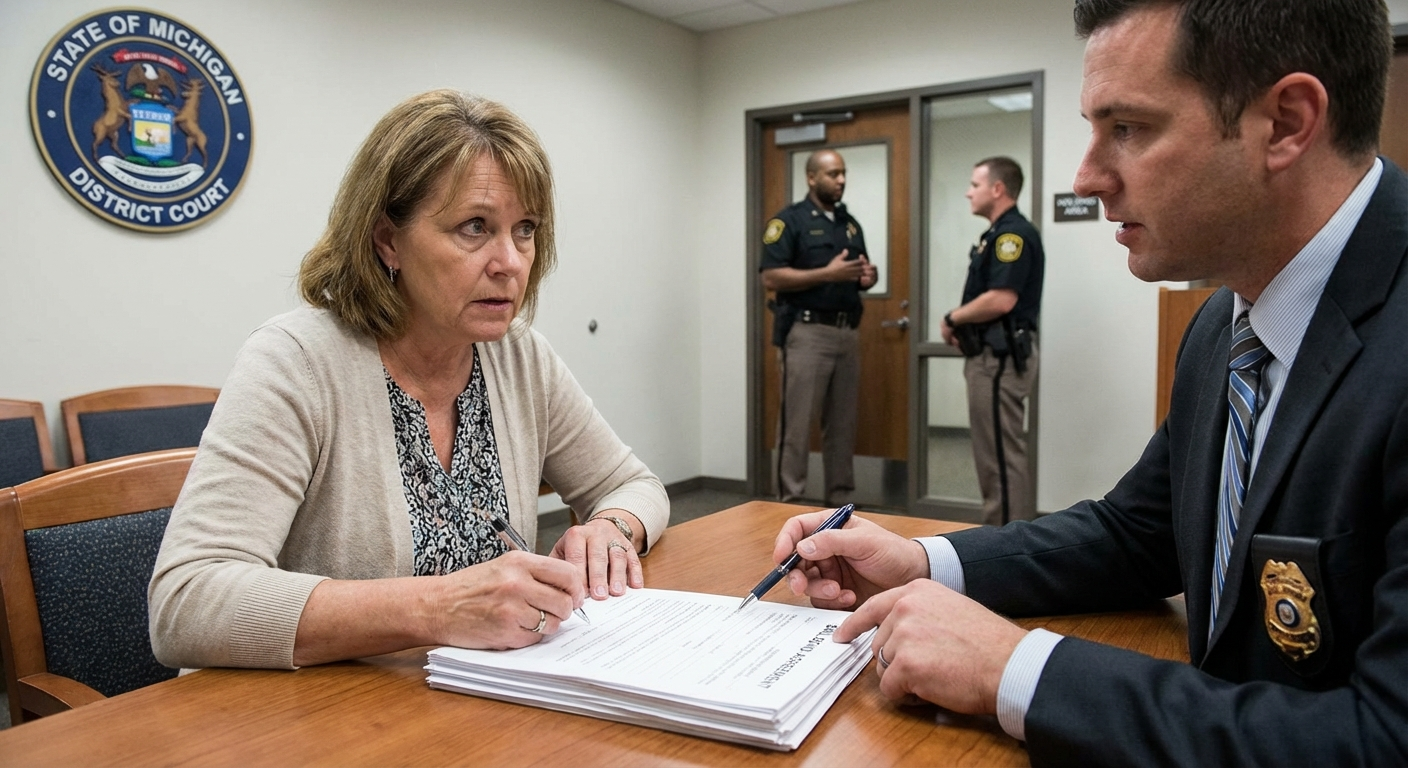
Not every situation calls for a co-signer. And not every defendant deserves one. If the person you're considering backing has a track record of unreliability, substance abuse issues, or a history of skipping out on obligations, you're taking a massive gamble.
Here's when you should seriously reconsider:
- The defendant has missed court dates in the past
- They have no stable address or employment
- They've expressed any intention to flee or avoid trial
- You can't afford to lose the collateral you're being asked to provide
- You're being pressured into signing by family or friends
Get Professional Guidance Before You Commit
If you're on the fence about co-signing, talk to the bail bond agency directly. Ask them to walk you through the risks, the timeline, and what happens if the defendant doesn't comply. A reputable agency will be transparent about the process and won't sugarcoat the potential consequences.
You may also want to consult with a legal professional, especially if the bail amount is high or the defendant's situation is complicated. An attorney can help you understand your rights and obligations under Michigan bail laws and advise you on whether co-signing is a smart move given your financial situation.
Protecting Yourself as a Co-Signer
If you do decide to co-sign, there are steps you can take to minimize your risk. Stay in regular contact with the defendant and make sure they understand the seriousness of their obligations. Keep copies of all court dates and bail conditions. If the defendant misses a court date, contact the bail bond agency immediately — the sooner you act, the better your chances of limiting your liability.
You should also document everything. Keep records of all communications with the defendant, the bond agency, and the court. If things go south, you'll need that paper trail to protect yourself.
The Weight of the Signature
Co-signing a bail bond in Michigan is a serious financial and legal commitment. It's not something you do lightly, and it's not something you do just because someone asks. The risks are real, the consequences are steep, and the responsibility doesn't end until the case is closed. Understanding the Michigan bail bond process and knowing what to do when your loved one calls from jail can help you make an informed decision. If you're confident in the defendant and prepared for the worst-case scenario, then co-signing may be the right call. But if there's any doubt — any hesitation — it's better to walk away. Your financial security and peace of mind are worth more than a signature on a bond agreement.
Let’s Navigate Bail Decisions Together
We know how overwhelming it can feel when you’re asked to co-sign a bail bond. You don’t have to make this decision alone. Let’s talk through your options and make sure you’re protected every step of the way. Call us at 586-757-5001 or schedule a consultation so we can help you move forward with confidence.
‹ Back
Recent Posts
-
-
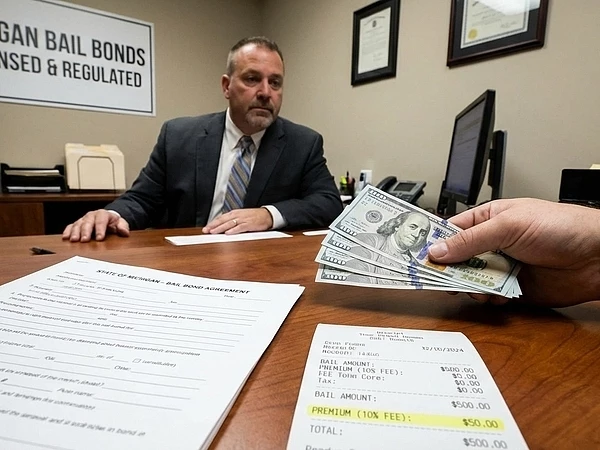
How Much Do You Pay on a $500 Bail Bond in Michigan?
April 22, 2026
-

How Payment Plans Work for Bail Bonds in Michigan
April 8, 2026
-
What Happens If a Defendant Skips Court in Michigan
March 25, 2026
-
Understanding Bail Refunds After a Michigan Case Ends
March 11, 2026
.png)